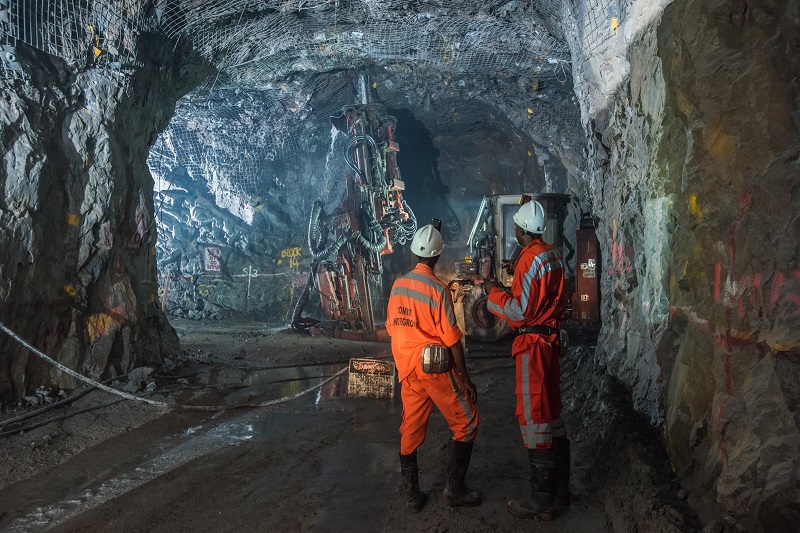
Industry and mining investment in Iran: turn assets into value chains
A mineral occurrence, a processing plant or a factory floor is not an investment case by itself. Value appears when the technical story, permit position, operating plan, utilities, logistics, quality controls and route to market can withstand disciplined review together. The task is to convert an asset into a credible, contract-backed value chain.
Inside this investment brief
- A project-first investment thesis for industrial, mining and processing assets.
- Priority archetypes from mineral development and beneficiation to advanced manufacturing and circular-material infrastructure.
- The evidence, contracts and decision gates required before capital is committed.
- A practical diligence framework for technical, commercial, environmental, legal and compliance risk.
The investment case: value is created between extraction and the customer
Where capital can create durable value
- Exploration and mine development: opportunities supported by independently reviewed geology, a clear permit pathway, a disciplined development sequence, baseline environmental work and a credible plan for extraction, processing, transport and closure.
- Beneficiation and mineral processing: plants that improve product consistency or recoverable value through tested flowsheets, independently reviewable metallurgical testwork, water and energy planning, tailings or residue management and quality-assurance systems.
- Value-added materials and manufacturing: processing, fabrication, components or industrial inputs where feedstock specification, process know-how, utility reliability, customer qualification and product certification are concrete rather than assumed.
- Factory modernisation and productivity: automation, quality systems, industrial efficiency, maintenance, process-control and digital traceability programs that address a defined production bottleneck and can be measured in operations.
- Industrial logistics, laboratories and storage: rail or road interfaces, testing, warehousing, blending, packaging and inventory-control assets that protect product integrity and improve the handover between plant and buyer.
- Circular materials and by-product recovery: projects that turn residues, scrap or secondary streams into usable products only after feedstock rights, technical recoverability, environmental obligations and a buyer specification are established.

How an industrial or mining project becomes investable
- Define the asset perimeter: project company, site or right-of-use structure, licence and permit status, resource or feedstock scope, plant boundary, infrastructure interfaces and reserved decision rights.
- Test the technical case: data provenance, exploration or production history, independent resource or process review, grade and recovery assumptions, flowsheet, throughput, product specification and sensitivity cases.
- Confirm the legal and environmental baseline: licences, access, land or site arrangements, water and energy needs, environmental and social obligations, waste or tailings strategy, health and safety requirements and closure or rehabilitation responsibilities.
- Build the delivery plan: engineering, procurement, construction, commissioning, critical equipment, spares, maintenance, local capability, logistics and a clear owner for every interface.
- Secure the commercial route: identify the customer or offtaker, test assays or product standards, volumes, delivery terms, pricing method, quality adjustments, payment security, working capital and claims process.
- Stress the economics before investment committee: capital cost, schedule, grade or yield, recovery, throughput, energy, water, transport, commodity or product price, foreign exchange, financing, compliance and downside scenarios.
A mine or factory is investable only when the technical evidence, route to market and operating reality tell the same story.
Revenue, contracts and risk allocation
- Offtake and sale: define product specification, assay or testing method, grade, moisture or impurity treatment where relevant, volume, delivery point, pricing, adjustments, rejection, claims, security and dispute-resolution mechanism.
- Resource, feedstock and processing: distinguish measured facts from assumptions, allocate responsibility for sampling, stockpile or inventory control, recoveries, throughput, downtime, consumables, residue and product quality.
- Infrastructure and utilities: document power, water, transport, site access, connections, capacity, reliability, outage protocols, upgrade responsibilities and the operating consequences of disruption.
- Delivery and operation: align EPC scope, acceptance testing, warranties, performance tests, spare parts, maintenance, operator capability, data access, reporting and intervention rights.
- Environmental and social performance: define permits, monitoring, worker safety, community engagement, emissions or effluent controls, tailings or waste management, incident response and closure or rehabilitation obligations.
- Capital and compliance: assess funding currency, banking, insurance, technology, equipment, logistics, counterparties, beneficial ownership, sanctions exposure, export controls and payment flows with specialist advice.
Investor diligence checklist
- Independent technical review of resource, reserve, grade, metallurgy, recovery, feedstock, throughput or manufacturing process, with data provenance and downside cases.
- Project-specific analysis of the mining-permit pathway, including exploration permit, discovery certificate and exploitation licence where relevant, plus industrial licences, site access, land or right-of-use arrangements and every material approval.
- A current environmental, social, health and safety baseline covering water, energy, biodiversity, waste, tailings or residue, air, worker safety, community and closure responsibilities.
- Engineering validation of plant design, equipment selection, construction sequence, commissioning, utilities, maintenance, critical spares, automation and product-quality controls.
- Customer, offtaker, trader, processor, EPC, operator, supplier, logistics and insurer diligence, including capability, performance history, ultimate-beneficial-owner and sanctions screening.
- Bottom-up capital, operating and working-capital model covering development, construction, commissioning, production ramp-up, utilities, transport, consumables, contingency and closure or rehabilitation.
- Executed agreements or execution-ready drafts for rights and permits, site use, feedstock, construction, processing, quality, offtake, logistics, utilities, insurance, technology and key-input supply.
- Tax, customs, foreign-investment, licensing, environmental, employment, local-law and cross-border trade analysis by qualified advisers, with a defined governance, reporting and exit framework.
- A decision log that identifies unresolved technical, commercial, legal, environmental and compliance conditions, assigns owners and prevents capital from advancing on untested assumptions.
Investment framework and compliance
The Foreign Investment Promotion and Protection Act, commonly known as FIPPA, may be a relevant legal framework for an industrial or mining investment structure where applicable, subject to project-specific approvals, the governing law and specialist advice. Under the Note to Article 2, possession of land by a foreign investor is not permissible under FIPPA; an investment structure must not be assumed to confer a land, mineral, exploration, exploitation or operating right. Every permit, site-use arrangement, technical report, environmental obligation, trade route and payment flow requires project-specific verification. Current sanctions and export-control screening of investors, counterparties, beneficial owners, banks, insurers, technology, equipment and logistics is essential. This brief is for preliminary discussion only and is not investment, legal, tax, regulatory, technical or sanctions advice.
Start with a decision-ready project file
DEAL helps project sponsors and investors organise the evidence that matters before a process becomes expensive: what asset is actually controlled, what value can be produced, who will buy it, which obligations remain open and what must be resolved before capital is committed. Share a high-level project outline to begin a confidential, structured review.