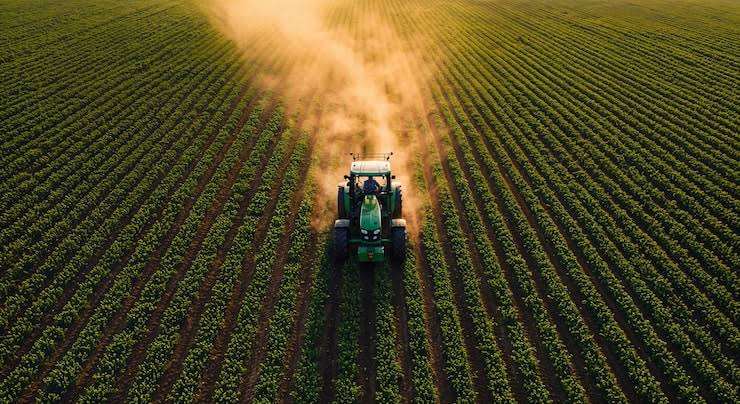
Agriculture investment in Iran: build the value chain, not only the farm
A productive agricultural investment is not a land purchase or a crop forecast. It is a chain of decisions about lawful water use, site control, agronomy, people, handling, quality and customers. The projects that merit serious capital are those in which each link is evidenced, owned and operationally connected to the next.
Inside this investment brief
- A value-chain investment thesis that starts with operations and market discipline.
- Project archetypes across controlled cultivation, water productivity, handling, processing and traceability.
- The practical route from an agricultural concept to a financeable operating asset.
- A due-diligence framework for water, land or site rights, quality, contracts and compliance.
The investment case: operational control creates value
Where capital can be productive
- Controlled-environment cultivation: greenhouse and protected-cropping projects where climate control, water productivity, crop planning, operating expertise and a defined quality standard can be managed as a single system.
- Farm-level water productivity: precision irrigation, fertigation, monitoring and energy-efficient pumping that are underwritten against a permitted source, water balance, crop requirements and a measurable operating baseline.
- Orchards and specialty crops: projects selected for agronomic fit and a specific commercial destination, with disciplined plans for variety, maturity, grading, harvest labour and post-harvest quality.
- Sorting, packing and cold-chain infrastructure: assets that reduce avoidable loss, protect product integrity and create a verifiable handover between growers, processors, distributors and buyers.
- Food processing and ingredient platforms: facilities that turn a traceable raw-material supply into shelf-stable, higher-value or specification-led products, subject to real demand and food-safety controls.
- Traceability, quality and supply platforms: data, testing and coordination systems that make origin, handling, compliance and commercial performance visible across the chain.

How an agricultural project becomes investable
- Define the operating perimeter: site-control arrangement, project company, crop or product scope, processing or storage interface, operating model and decision rights.
- Evidence the water balance and lawful source: permit or right, quantity, quality, seasonal variability, energy requirement, measurement method and any constraints on use or transfer.
- Match the production plan to evidence: soil, climate, disease pressure, growing calendar, input availability, labour, yield assumptions and the specific quality specification of the intended market.
- Secure a commercial route: identify the buyer, processor, distributor or export channel; test product grade, volumes, delivery calendar, rejection rules, pricing logic and payment terms.
- Design execution and operations: equipment, construction, commissioning, crop establishment, farm management, food-safety protocols, maintenance, cold chain and loss-control responsibilities.
- Prove downside resilience: model delays, lower yield or pack-out, weather events, pest pressure, water or energy constraints, input disruption, buyer claims and working-capital stress before investment committee review.
In agriculture, the crop is only half the project. The other half is water, market access, post-harvest discipline and the people who operate it every day.
Revenue, quality and risk allocation
- Commercial agreements: define product, grade, testing method, volumes, delivery window, pricing logic, acceptance or rejection rules, claims process, payment security, dispute-resolution mechanism and governing law.
- Seasonality and working capital: model the timing mismatch between inputs, cultivation, harvest, inventory, processing, payment and any receivable concentration.
- Post-harvest integrity: allocate responsibility for picking, pack-out, temperature control, storage, transport, loss, contamination, recalls and customer claims at every handover point.
- Inputs and intellectual property: test seed, seedling, genetics, crop-protection, fertiliser, equipment and software availability, as well as permitted use, replacement and supply-chain resilience.
- Operating risk: align the operator’s incentives with productivity, quality, water stewardship, biosecurity, staff safety, reporting and corrective action when performance moves off plan.
- Capital and compliance: assess funding currency, banking and insurance feasibility, counterparties, beneficial ownership, sanctions exposure, trade controls and payment flows with specialist advice.
Investor diligence checklist
- Site-control, access, zoning or permitted-use evidence and a project-specific legal analysis of every land-related arrangement.
- Water source, rights or permits, abstraction and use conditions, seasonal reliability, quality, metering, cost and any treatment or storage requirement.
- Independent soil, climate, water, crop-health and production-baseline analysis, including assumptions behind yield, loss and quality scenarios.
- Food-safety, plant-health, quarantine, traceability, labelling and destination-market requirements for the intended product and route to market.
- Buyer, processor, distributor, exporter, operator, supplier and logistics diligence, including capacity, performance history, ultimate-beneficial-owner and sanctions screening.
- A bottom-up capital, operating and working-capital model covering equipment, construction, crop establishment, inputs, labour, utilities, cold chain, waste and contingency.
- Executed agreements or execution-ready drafts for site control, water, production, offtake, processing, quality, storage, insurance, technology and key-input supply.
- A management plan that names accountable agronomic, operations, quality and commercial leaders, with reporting disciplines and clear intervention rights.
- Tax, customs, foreign-investment, licensing, environmental, employment and local-law analysis by qualified advisers, plus a governance and exit plan for the project vehicle.
Investment framework and compliance
The Foreign Investment Promotion and Protection Act, commonly known as FIPPA, may be a relevant legal framework for an agricultural investment structure where applicable, subject to project-specific approvals, the governing law and specialist advice. Under Article 2, Note, possession of land by a foreign investor is not permissible under FIPPA; any site-control structure must therefore be independently reviewed rather than assumed to confer ownership. It does not create assumed rights to water, permits, market access or transfer of funds. Water-use arrangements, plant-health and food requirements, trade conditions, and sanctions or export-control screening must be confirmed case by case with qualified Iranian and cross-border advisers. This brief is for preliminary discussion only and is not investment, legal, tax, regulatory or sanctions advice.
Start with a decision-ready project file
DEAL helps sponsors and investors organise the questions that determine whether an agricultural concept deserves the next round of capital: what is controlled, what is evidenced, who carries each operating risk and where does the product go. Share a high-level project outline to begin a confidential, structured review.